About Us
Our Businesses
Investors
Responsibility
Media
Careers

About Us
Our Businesses
Investors
Responsibility
Media
Careers

ABF Sugar strives to be efficient in its use of resources across sugar beet and sugarcane production, from the field to the factory and to customers and consumers.
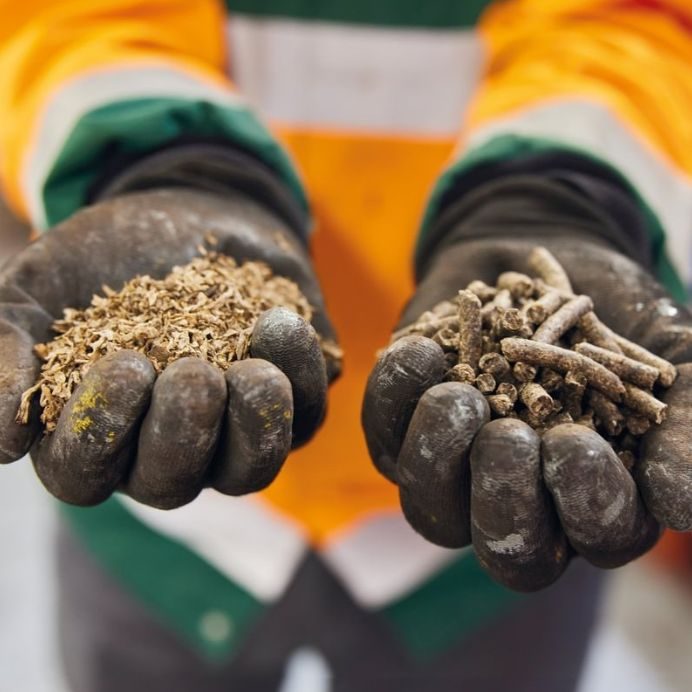
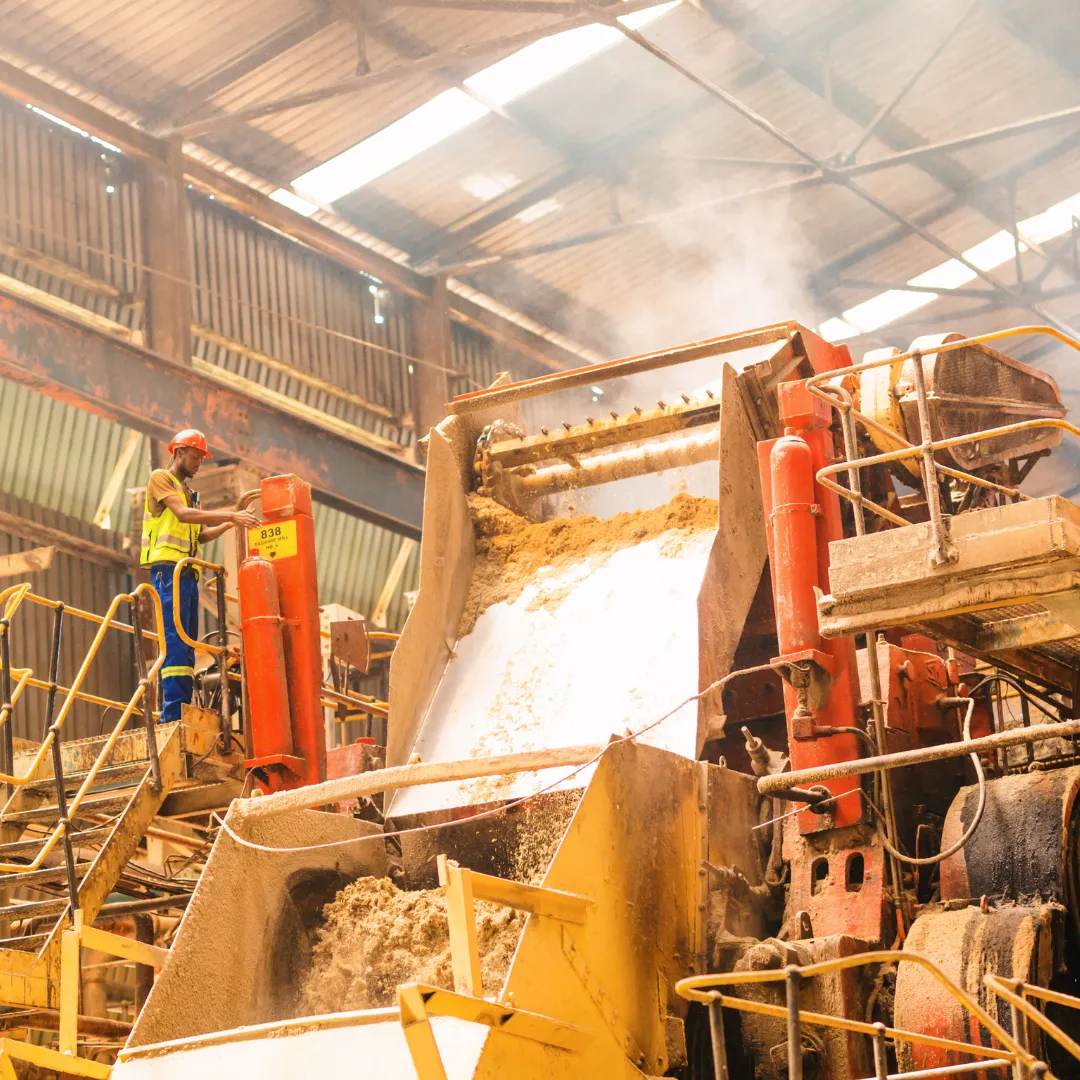 Production of the bagasse co-product at the Nakambala sugar factory, Zambia
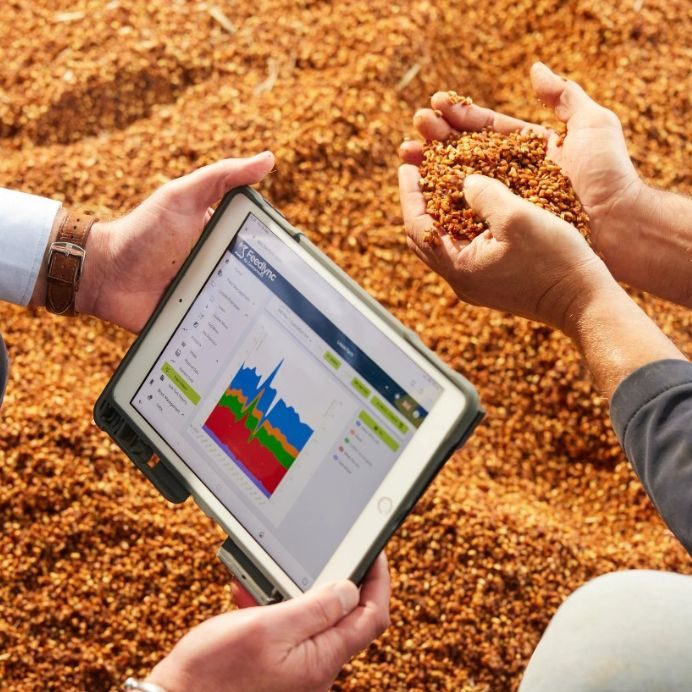
ABF Sugar’s approach is that waste materials are products for which it has yet to find a use. This is demonstrated by its bio-refineries, which transform sugar beet and sugarcane waste into a range of commercially viable products thanks to innovative manufacturing processes. Its businesses continue to work to maximise the quantity of sugar beet processed, so as little as possible is left in the field. ABF Sugar continually invests in new technology and process optimisation to make its factories more efficient, improve its use of raw materials and move towards a more circular approach.
ABF Sugar businesses use by-products to generate renewable electricity. British Sugar uses bio-methane produced from its fermented sugar beet pulp to generate electricity, and carbon dioxide and low-grade heat generated at its operations to grow medicinal non-psychoactive cannabis under licence.
Its sugar businesses in Africa use bagasse, the dry fibrous material that remains after crushing sugarcane and extracting the sugar, with more than 91% of the energy used on-site coming from renewable sources. It also provides the opportunity to co-generate electricity in Eswatini which goes into the national grid. Its Eston plant in South Africa also exports power into the national grid.
Among the commercially viable products its businesses produce, British Sugar is a major producer of animal feed and a supplier of raffinate and betaine for use in the petrochemical and pharmaceutical sectors. African sugar by-products include furfural, a natural chemical feedstock with numerous applications in the food and other industries.
Vivergo ceased all production of bioethanol and animal feed on 31 August 2025. The plant converted low-grade wheat into bioethanol used in petrol, while also producing animal feed as a co-product. At full capacity, it was estimated that the Vivergo plant produced 420 million litres of ethanol product per year. The net benefit of using this product blended with gasoline to create E10 was estimated to be a saving of approximately 500,000 tonnes of CO2 which would otherwise be emitted from vehicle tailpipes annually. Further information on the closure of the Vivergo plant is available in our Annual Report.
In 2025, ABF Sugar decreased the total amount of waste produced through its activities by 1% compared with last year, with 98% sent for recycling or reuse.
| 2021 | 2022 | 2023 | 2024 | 2025 | |
|---|---|---|---|---|---|
| Waste Generated | 180 | 192 | 130 | 282 | 279 |
| Percentage recycled | 96% | 96% | 97% | 99% | 98% |
| 2021 | 2022 | 2023 | 2024 | 2025 | |
|---|---|---|---|---|---|
| Sugar | 13 | 21 | 15 | 11 | 15 |
ABF Sugar is striving to reduce packaging to minimise the impact on the environment, while recognising the role plastic plays in maintaining the integrity and safety of products for customers.
In 2025, ABF Sugar’s total packaging increased from 11kt in 2024 to 15kt. Its businesses continue to explore innovative packaging to reduce the volume of materials used.
Azucarera implemented various initiatives to reduce plastic use and increase the share of recyclable and recycled plastics. This included gradually reducing the weight of plastic used for pallet banding, testing a higher percentage of recyclable material in bale shrink wrap and developing a new, thinner cap for icing bottles.
ABF Sugar’s African businesses’ strategy is to reduce packaging weight and use more packaging that can be reused or recycled. They have over 20 workstreams looking at packaging solutions and trialling new products. In Tanzania, it has completed a project evaluating opportunities to minimise packaging volume and eliminate non-essential plastic liners, while assessing the recyclability and long-term viability of the new packaging solutions. The learnings from this project are being applied across its other African operations.
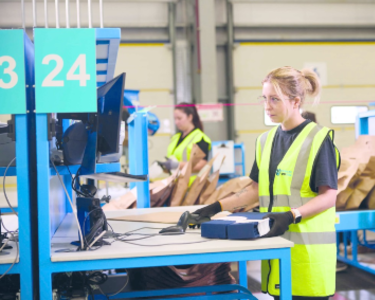
At British Sugar, a £20 million investment at the Bury Customer Supply site has transformed packing, palletisation and distribution to Silver Spoon for their retail customers. The project included new and refurbished packing machines, upgraded palletisation equipment and a re-design of retail and shelf-ready packaging.
This transformation has delivered major environmental benefits. Single use labels have been removed completely, over 60%of plastic has been reduced through greater reliance on cardboard within the packaging mix, and brown and white paper waste has been reduced by over 45%. Additionally, the project is expected to deliver carbon reductions of about 229 tonnes of CO2e and a reduction of 470 tonnes of water per year. A new packaging design was also introduced across the 20/25kg bags range which includes communication on recyclability, helping customers make informed packaging waste decisions.
* Numbers prior to 2025 have been restated to reflect the disposal of AB Sugar China, disposed of in 2024. The adjustment ensures comparability and accuracy in reporting the groups continuing operations
EDITOR NOTE:
This is the modal area for the above carousel. Please be careful when copying this to UAT or PROD. It would be best to include Cian in these movements. The carousel above has buttons which have ID tags which open the below containers. Be careful to maintain the ID tags.
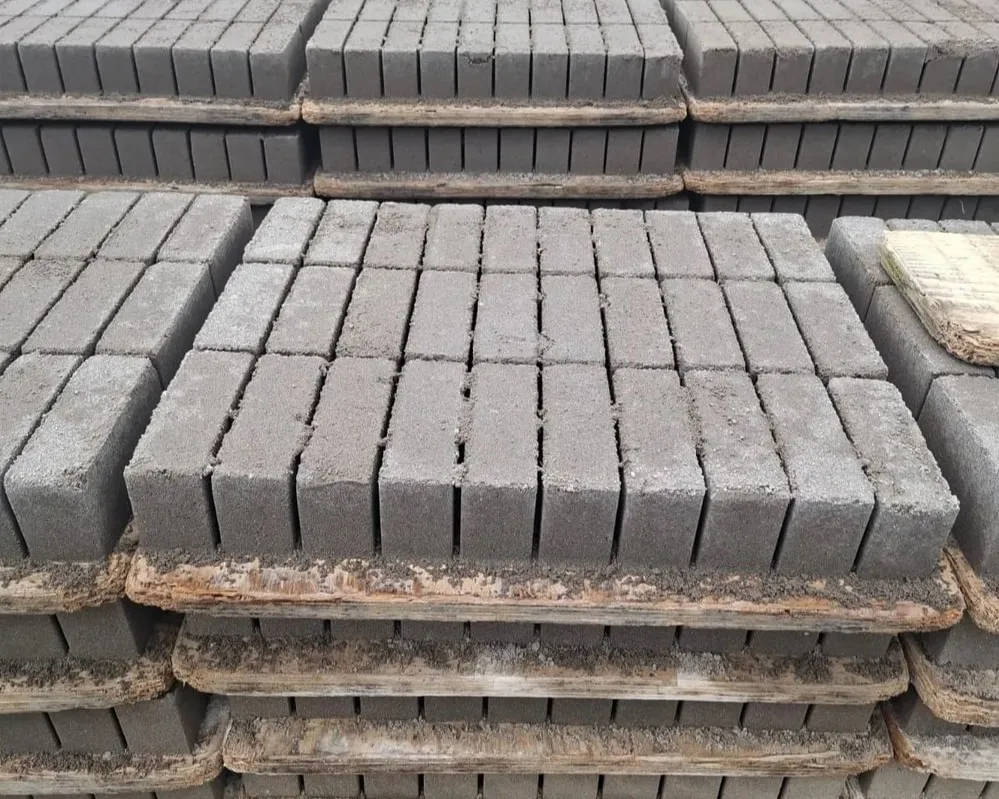
At the Illovo Sugar South Africa Sezela mill, a new initiative is turning boiler ash, a by-product of sugar production, into a high-quality aggregate similar to river sand. This is used across multiple construction uses, for example for brick manufacture, ready-mix concrete and fill material. In 2025, the team secured its first commercial contracts, marking a key milestone.
The programme offers a scalable solution that improves waste management, boosts operational efficiency and supports efforts to cut carbon emissions.
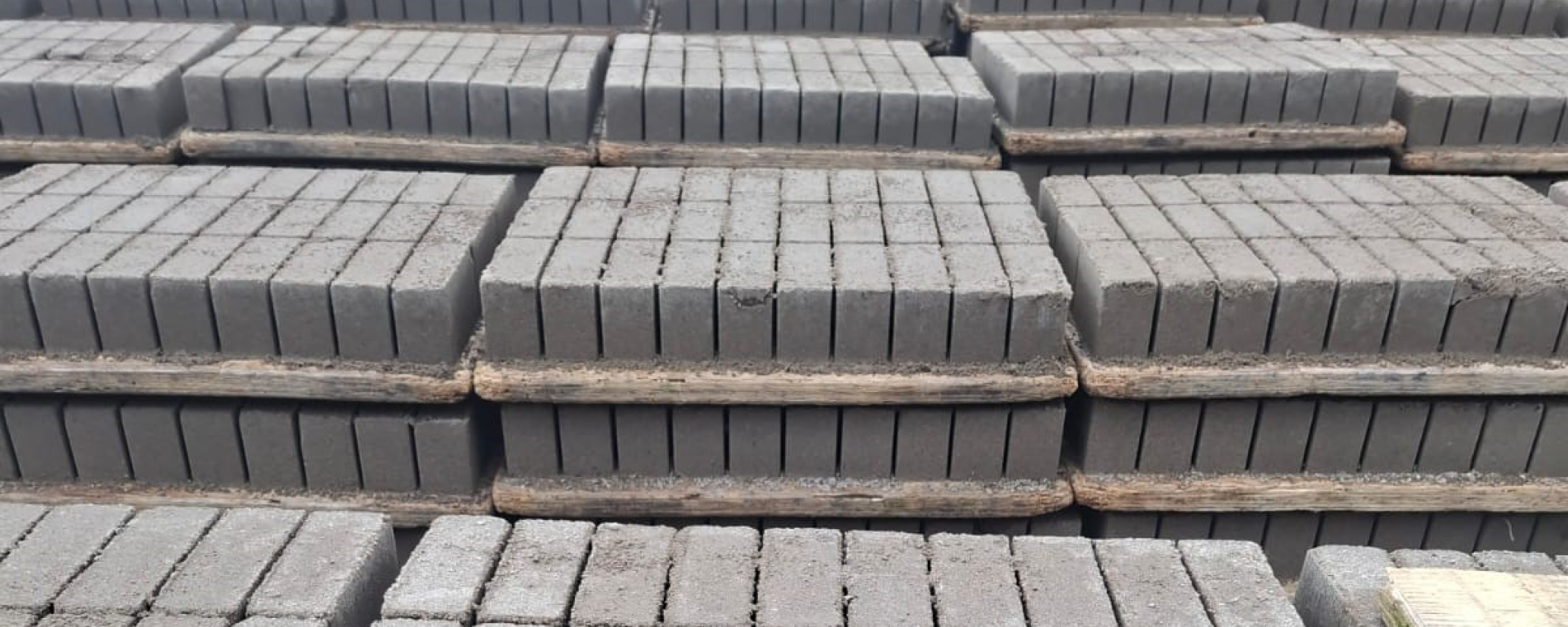
Processed ash from Illovo Sugar South Africa's Sezela mill for brick and block manufacturing