About Us

Our Businesses
Investors

Responsibility

Media

Careers

About Us
Our Businesses
Investors
Responsibility
Media
Careers

Primark is working to keep clothes and materials in use for longer, reduce waste and build a resilient and transparent supply chain through its Primark Cares strategy.
 A farm in the Primark Cotton Project, India
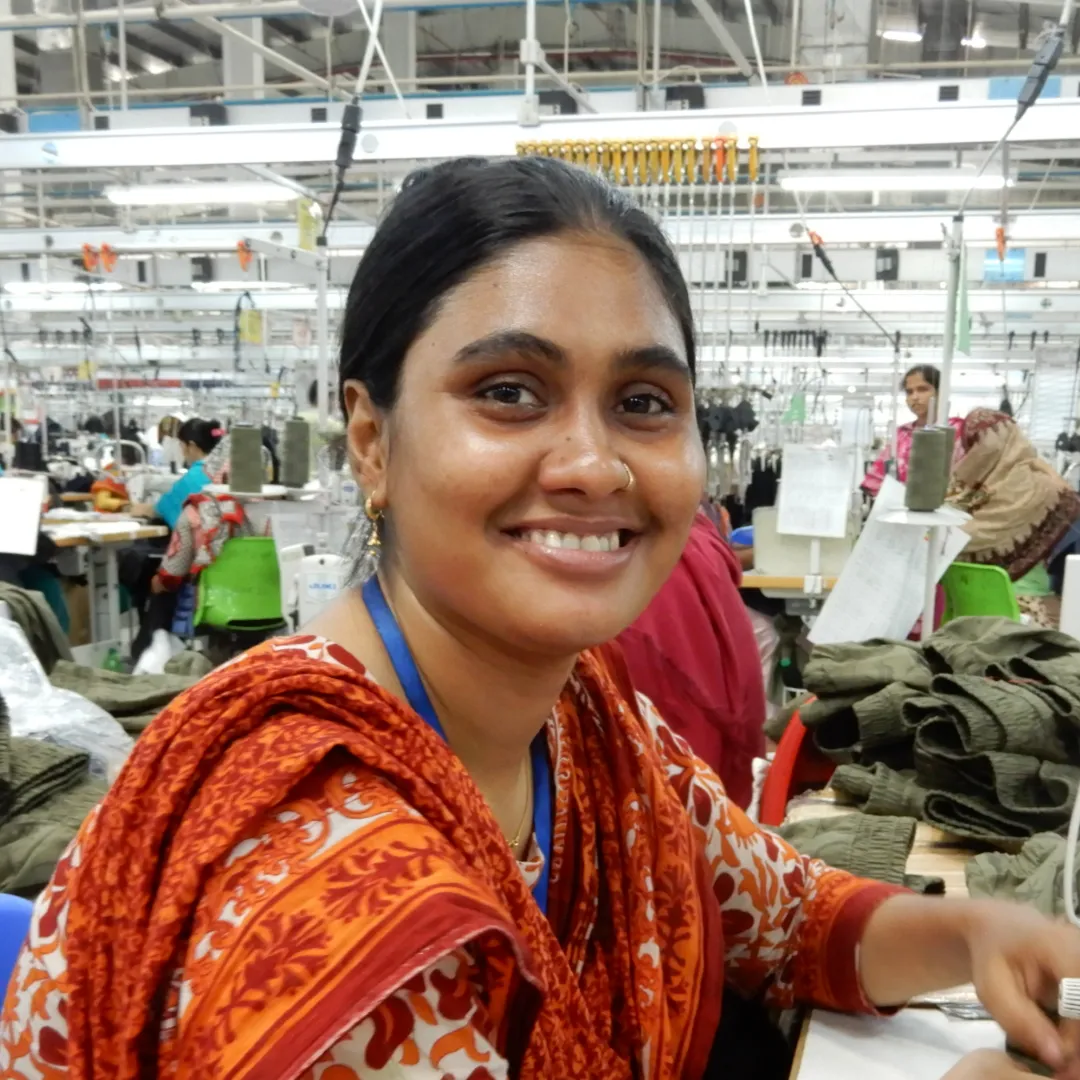
Primark’s sustainability strategy, Primark Cares, was launched in 2021 and sets out its ambition to become a more circular1 business by evolving its operations and supply chain without customers having to pay more. This includes keeping clothes and materials in use for longer, reducing textile waste and building a resilient and transparent supply chain. Primark Cares is supported by the business’s long-standing approach to responsible sourcing in its supply chain.
Drawing on more than five years of experience, in 2026 Primark made a choice to review its approach to sustainability. Its updated Primark Cares strategy will centre around its strengths as a business: its products, its scale and its reach across the supply chain. In the context of tighter regulation and changing technology and consumer expectations, the aim of this renewed strategy is to support long-term responsible growth. It will concentrate on three priorities: circularity1, supply chain resilience, and supporting women across the Primark value chain. Primark will publish its updated strategy next year.
1.For Primark, circularity means working towards a system where clothing is kept in use for longer and textiles are used again, reducing waste and reliance on virgin resources. Primark’s approach is informed by the Ellen MacArthur Foundation’s ‘vision of a circular economy for fashion’, in which products are ‘used more, made to be made again, and made from safe and recycled or renewable inputs’.
Primark has established a governance framework to oversee environmental, social and governance (‘ESG’). Critical risks relating to ESG are managed through the Primark Risk Committee or through Steering Committees. These cross-functional committees bring together all relevant internal stakeholders to give guidance and propose appropriate actions. Its CEO and senior directors are responsible for all decision making and implementation. ESG-linked performance incentives continue to apply to directors and wider senior leadership, reinforcing accountability for delivery of Primark's ESG priorities. Relevant topics are fed into the wider business governance strategy as needed. Primark continuously reviews its governance to ensure it evolves with the latest legislation and compliance requirements, in addition to its business priorities. Primark updated its ESG governance in 2026.
To effectively understand, manage and mitigate risks, Primark actively engages with a broad range of stakeholders, including policymakers, workers’ rights organisations, civil society groups and industry initiatives at both national, EU and international levels.