About Us
Our Businesses
Investors
Responsibility
Media
Careers

About Us
Our Businesses
Investors
Responsibility
Media
Careers

Our businesses operate in different markets, serve different customers and meet different needs, yet they are united by a common approach: building the capabilities required to grow, compete and create value over the long term.
Through disciplined investment in people, infrastructure, brands and innovation, we have developed strong businesses with leading positions in food and retail.
Operating sustainably and responsibly is integral to this approach, shaping how we manage our supply chains, support our communities and deliver long-term value for all stakeholders.
As at 12 September 2026
Employees worldwide
Operating in
countries
Customers in
countries
Group revenue
Adjusted operating profit*
Gross investment*
Basic earnings per share
Operating profit
Profit before tax
Adjusted profit before tax*
Adjusted earnings per share*
Net cash before lease liabilities*
Net debt including lease liabilities*
Return on average capital employed* (‘ROACE’)
Dividends per share
Women in the workforce
ABF Group scope 1 & 2 (market-based)
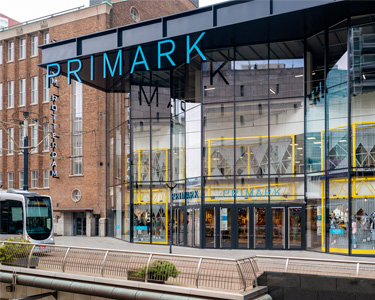
Primark stores and 20.6m sq ft of selling space
*Alternative Performance Measures (APMs) as defined on pages 216 to 220 in the Annual Report.
Retail revenue
Retail adjusted operating profit
Number of employees in Retail
Number of Retail stores
(includes 4 franchise stores)
Food revenue
Food adjusted operating profit
Number of employees across Food
Number of manufacturing sites across Food
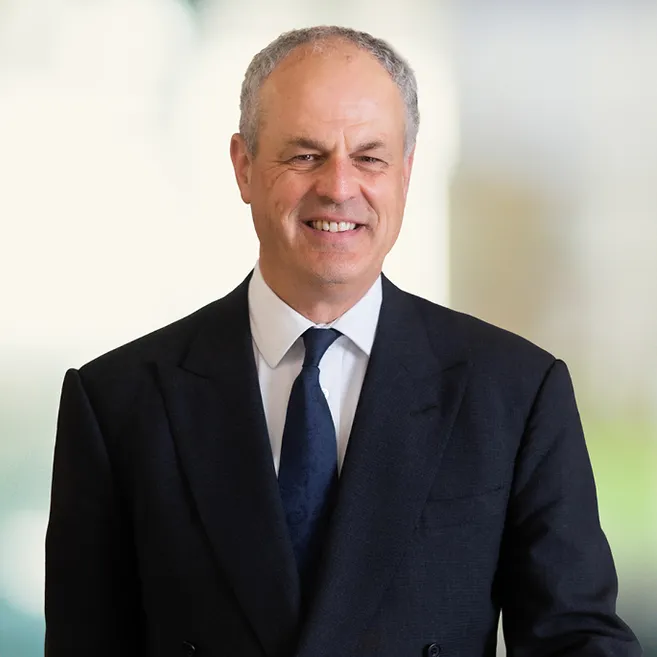
The opportunities for both Primark and AB Foods are considerable and the Board firmly believes that each will thrive as an independent entity.”
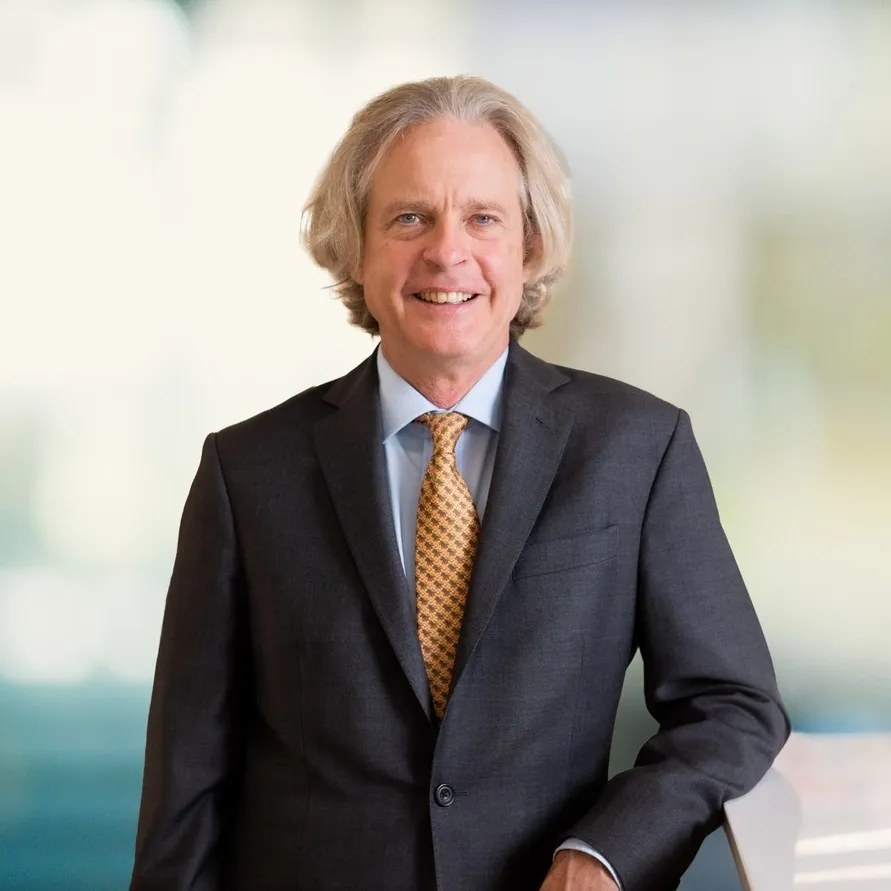
Amidst global supply chain instability, ABF once again demonstrated its resilience. It has been harder to do our job this year, but we have done it well.”
As a Group, we have a clear sense of our social purpose and we work hard to provide safe, nutritious and affordable food, and great-value clothing to millions of customers worldwide every day.

Primark is an international value retailer with a growing presence across Europe, the US and the Middle East. The business combines leading value, fashion credibility and operational scale through 508 stores in 19 countries.
Revenue
Adjusted operating profit
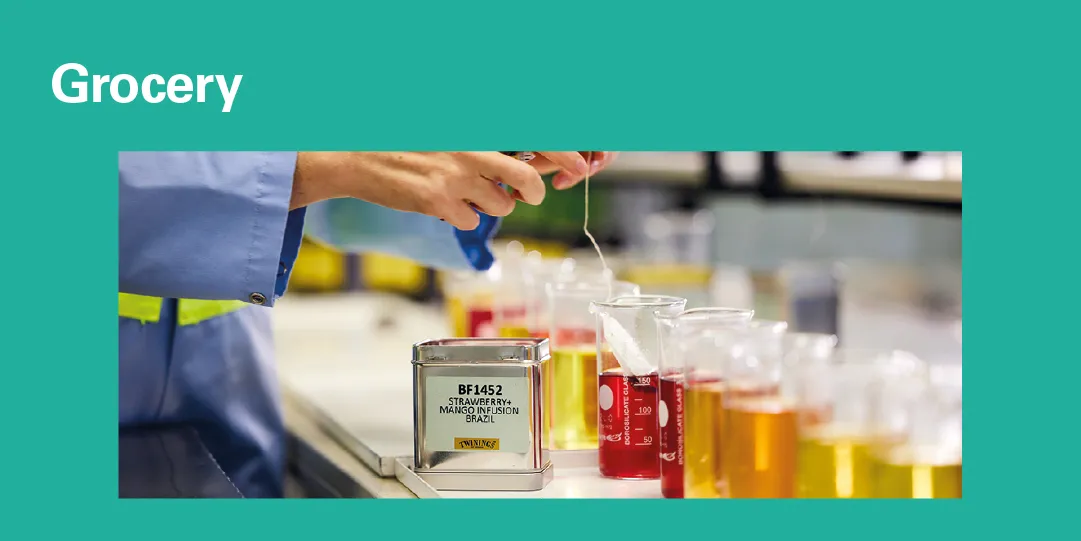
Grocery comprises brands which occupy leading positions in markets across the globe.
Revenue
Adjusted operating profit

Ingredients businesses comprise yeast and bakery ingredients, as well as a portfolio of specialty value-added ingredients primarily focused on enzymes, precision extraction, health and nutrition and pharmaceutical delivery systems.
Revenue
Adjusted operating profit
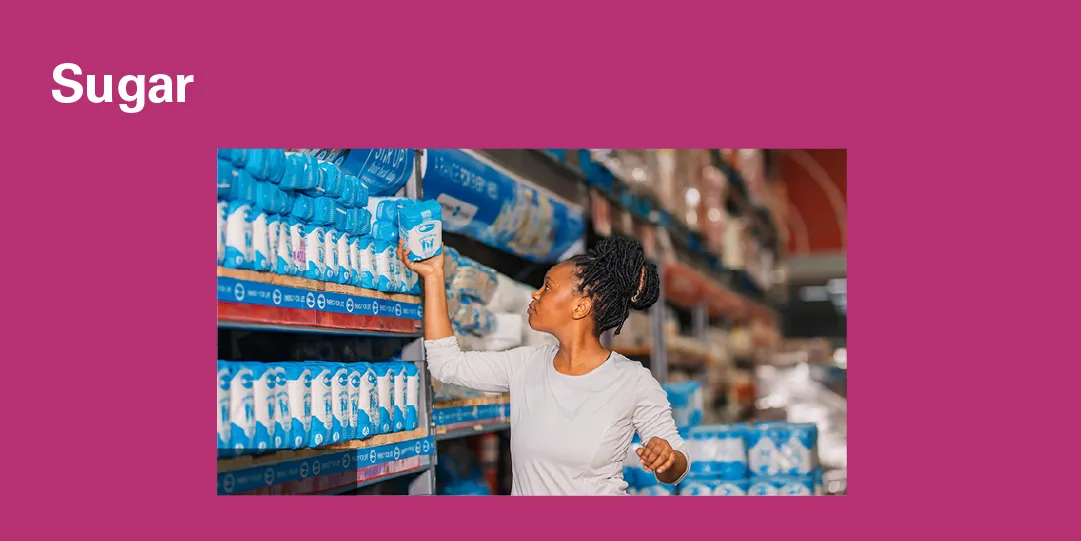
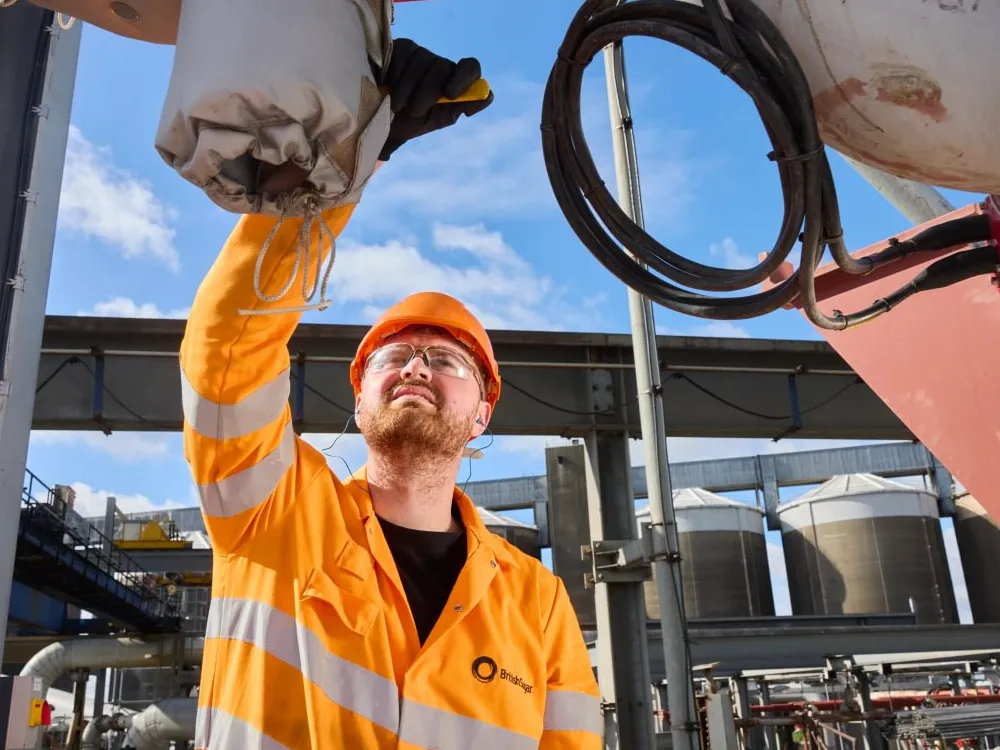
ABF Sugar produces a range of sugar, fuels and other products from sugar cane; and sugar beet in Africa, the UK and Spain.
Revenue
Adjusted operating loss
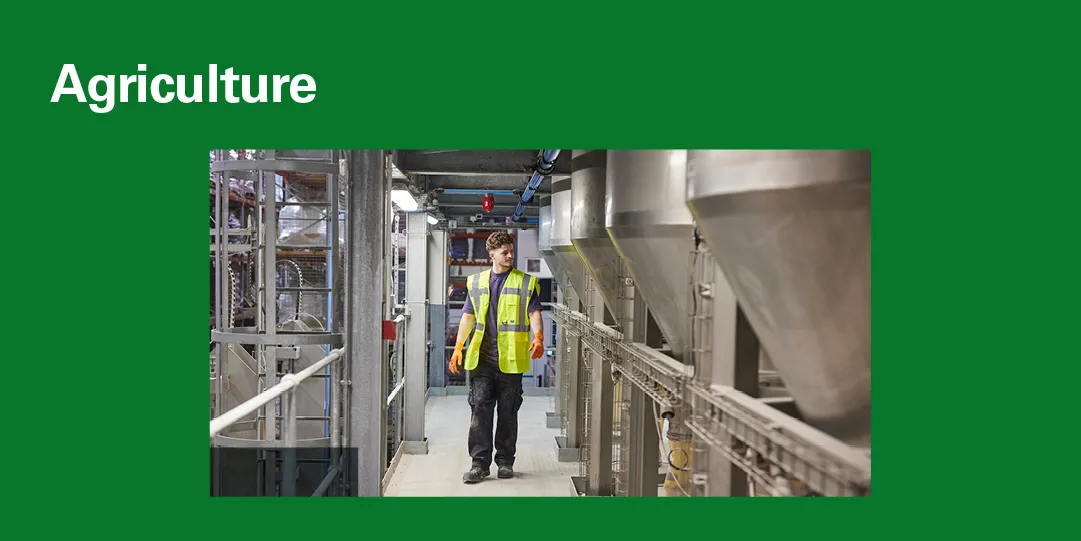
AB Agri is an international agri-food business.
Revenue
Adjusted operating profit

EDITOR NOTE:
This is the modal area for the above carousel. Please be careful when copying this to UAT or PROD. It would be best to include Cian in these movements. The carousel above has buttons which have ID tags which open the below containers. Be careful to maintain the ID tags.
This year’s results reflect a challenging operating context that has been dominated by macroeconomic headwinds, but the Group has made important strategic and operational progress in a number of areas.
Group adjusted operating profit was £1,508m, down 13% at actual exchange rates and 14% at constant currency rates on last year. Adjusted profit before tax was £1,457m, down 14% on last year, and adjusted earnings per share was 156.0p, down 11%. This primarily reflects profit reductions in Retail.
Looking at our divisions in detail, Primark sales grew 2% at constant currency and 4% at actual rates, driven by actions to strengthen the customer proposition as well as new stores and the rollout of our franchise model, which contributed 5% to sales growth. Like-for-like sales, however, were down 2.6% for the full year. Adjusted operating profit margin was 10.2%, in line with expectations, and adjusted operating profit was £1,005m, down 12% at actual exchange rates and 11% at constant currency rates. This reflects a challenging consumer environment in most of our markets and, while progress has been made in improving the customer proposition in the UK and especially womenswear, there is much more to do in Europe and the US. Looking ahead, Primark has taken important decisions to invest in future growth drivers, expanding its international franchise model and deciding to offer home delivery in Great Britain in the future.
In Grocery, revenue was £4.2bn, up 3% at actual rates and 2% at constant currency rates on last year. However, adjusted operating profit was below expectations at £427m, down 11% at actual exchange and constant currency rates, mainly due to a decline in the US oils category, higher cocoa costs and a step-up in technology costs in a number of businesses.
In the UK, we completed the acquisition of Hovis, which gives us the ability to create a sustainably profitable bakeries business, supported by investment in marketing and innovation.
In Ingredients, sales were up to £2.1bn, an increase of 3% at actual exchange rates and 2% at constant currency rates. AB Mauri, our yeast and bakery business, saw good sales growth in most markets, and our specialty ingredients portfolio, ABFI, continued to grow well overall. Increased investment and US consumer weakness for bakery ingredients, however, means adjusted operating profit was moderately below last year at £238m, 7% down at actual exchange rates and 8% at constant currency rates, which is in line with our expectations.
This has been another difficult year for Sugar, where the adjusted operating loss was £47m. This was driven by lower average prices compared to last year, as well as an increased level of onerous contract provisions taken this year arising from an expected small UK crop in conjunction with inadequate overhead recoveries, continued low European sugar prices and elevated natural gas costs. We are taking action to manage the cost base across the Sugar division, including through the closure of British Sugar’s Cantley factory. Early indicators suggest that improved sugar prices will benefit the business in 2028.
In Agriculture, adjusted operating profit was broadly flat at £19m, in line with our expectations. We continue to simplify the division and focus on higher growth segments, including through the exit from UK compound feed and a more customer centric operating model and Frontier.
ABF invests for long-term growth where we are confident projects offer attractive shareholder returns. Group capital investment for the year was £1,433m, up 15% on last year. The increase was driven mainly by acquisitions of £167m, including of Hovis, Elementis, Abe’s Bagels and Casa de Bolos. We have also seen the completion of multi-year projects which extend capacity, strengthen capabilities and modernise operations to drive efficiency.
The proposed demerger reflects the strength and maturity of two distinctive businesses that have evolved over many decades. While Retail and Food operate in different markets and serve different customers, they have been shaped by a shared approach to governance, disciplined capital allocation and responsible business practices.
These common frameworks have supported strong decision-making, long-term investment and a culture of accountability across the Group. They have helped create businesses with clear market positions, resilient operating models and the capability to succeed independently.
As separate companies, both businesses will retain these foundations while gaining greater strategic focus, oversight and accountability. The Board believes this will position each business to build on its strengths, invest behind its priorities and create long-term value for shareholders and other stakeholders.
In April, the Board completed its in-depth review of the Group structure and concluded that a demerger of Primark from the Food business is the best way to maximise long-term returns for shareholders. The decision was reached having looked in detail at the financial, commercial, legal and organisational consequences of the demerger. The demerger is anticipated to be effective in December 2027.
A demerger will deliver a number of benefits to each business - in particular, oversight by boards that are directly aligned to their respective industry dynamics, clearer investment propositions and accountability to shareholders specifically interested in either Food or Primark. The opportunities ahead for both Primark and AB Foods are considerable and the Board firmly believes that each will thrive as an independent entity.
To ensure a smooth transition through the demerger process, I have agreed with the Board that I will continue as Chairman of ABF until the completion of the demerger.
AB Foods is how we will refer to the standalone food business post the demerger of Primark and, in anticipation of that, how we will refer to our group of food businesses going forward.
We completed our latest £250m share buyback programme in August. Over the past four years, we have returned almost £3.9bn back to shareholders via dividends, special dividends and share buybacks. Our balance sheet, whilst strong, no longer carries what we would consider to be excess capital. The final dividend has therefore been maintained and we have decided not to undertake further share buybacks for the time being as we want the two new standalone businesses to be well capitalised with strong balance sheets.
In March 2026, we announced the appointment of Joana Edwards to the Board as Group Chief Financial Officer. The Board and I were impressed by the capability and strength Joana brought to the interim position, demonstrating both the judgement and the skillset required for the role. We were delighted to welcome her to the Board.
We also announced the appointment of Eoin Tonge as the Primark Chief Executive. Eoin’s understanding of the business, combined with his financial acumen and strategic clarity, give him the right breadth of qualities and experience to develop and grow Primark. Eoin remains a member of the Board of ABF.
Work is well underway to appoint a Chair of Primark, after which we will begin to look for non-executive members.
We expect the tough operating environment to continue and remain cautious on consumer sentiment and the impact of inflation and higher energy costs. In particular, Sugar remains under pressure and Grocery will incur the costs of the Hovis integration.
Group adjusted operating profit and adjusted EPS are expected to be below this year.
In Primark, we expect new space growth in Europe, the US and our franchise markets to contribute around 4% to sales growth. Adjusted operating margin is expected to be approximately 10%, reflecting continued investment in like-for-like sales growth. This does not include the impact of the expected dis-synergy costs as Primark moves towards demerger readiness.
We expect Grocery adjusted operating profit to be broadly in line with 2026. While Hovis will be slightly dilutive to Grocery profit in 2027, it is expected to be accretive to profit in subsequent years.
In Ingredients, profit is expected to be broadly in line with this year due to start-up costs in our new yeast facility in India. We expect Agriculture to grow in 2027.
We remain cautious on the outlook for Sugar in 2027. We expect the operating loss to be greater and to be in the range of minus £70m to minus £170m. A number of factors could materially influence the outcome, either positively or negatively, including significantly higher gas costs, production levels in Africa, El Niño weather impacts, and currency movements, notably the Malawian kwacha.
Looking ahead, we have seen a recent turn in European sugar prices. This trend should continue, as European sugar production is estimated to be significantly lower this year and world sugar prices have risen sharply. We expect to see the benefit of higher European market prices in future years.
In a challenging year, the Group has made significant strategic and operational progress that will serve shareholders well when the operating environment starts to improve.
Michael McLintock
Chairman
The Group made significant strategic progress in a difficult year. Although financial performance was frustrating in the year, we took significant steps to strengthen our businesses.
Last year we identified three key areas where self-help could improve performance and we continued that work this year. In Grocery, we acquired Hovis and integration is underway to establish a sustainably profitable UK bakery business. In Sugar, we continued to rationalise our footprint and will move from four to three factories in the UK, enabling us to meet customer demand more efficiently. We are now doing similar in Agriculture, where we are freeing up low-returning capital and concentrating operations on the areas with the strongest growth prospects. And in Primark, our strategy to drive like-forlikes has been successful in the UK and womenswear.
Operationally, the year was rather better. Amidst global supply chain instability, ABF demonstrated once again its resilience by consistently delivering safe, affordable and nutritious food and great value clothing to our customers. It has been harder to do our job this year, but we have done it well.
The context has been challenging. Macroeconomic volatility and external cost pressures reduced profits. Conflict in the Middle East affected the Group through higher energy, freight and other input costs, and extreme weather disrupted some of our operations and agricultural supply chains. Economic insecurity weakened consumer confidence.
Group adjusted operating profit was £1,508m, 14% lower than last year, principally driven by lower profit at Primark. Adjusted earnings per share were down 11%. EPS benefitted from share buybacks. I’m pleased to say that the dividend will be maintained, reflecting the underlying strength of the Group and the Board’s confidence in the long-term prospects of the business.
I was heartened by the way we responded to our challenges.
The most important strategic decision of the year was to demerge Primark from our Food business. ABF has been a brilliant parent to Primark for almost 60 years. In that period Primark has grown into a multi-market business with a powerful global brand, a successful store model, growing digital capabilities and opportunities for further international growth. It will now benefit from having its own governance. For our Food business, separation will enable greater investor understanding of the breadth and strengths of our differentiated portfolio.
Number of manufacturing sites 178 Primark is reasserting its position as the leader in disruptive value. Its global ‘Iconic Value’ campaign reduced prices on hundreds of products while improving style and quality and initial results have been encouraging. Marketing is becoming more focused and is supported by stronger digital capabilities, including the introduction of the app in several markets and the rollout of Click & Collect across Great Britain. Underpinning this is a clearer understanding of the Primark customer in each of its markets, enabling propositions to be tailored. We anticipate that Primark and AB Foods will both become FTSE 100 companies and expect the demerger to become effective in December 2027. There is a substantial amount of work underway among central teams and so this will be of little distraction to our businesses.
Primark has spent the year re-energising its customer proposition and improving its internal organisation. This is important both for future growth and its transition to becoming an independent business.
At last year’s full-year results we set out a strategy for driving sustainable like-for-like sales growth based on improving price and price perception, product, customer engagement and digital capabilities. Fundamentally, this is about concentrating on what Primark does best. We have made good progress.
We have unapologetically focused on Primark’s largest market and its biggest category: the UK and womenswear. Primark delivered like-for-like sales growth and gained share in the UK, despite a declining market. In womenswear, we have delivered strong sales by investing in better design, improved quality and new ranges, supported by more effective marketing.
Primark is reasserting its position as the leader in disruptive value. Its global ‘Iconic Value’ campaign reduced prices on hundreds of products while improving style and quality and initial results have been encouraging.
Marketing is becoming more focused and is supported by stronger digital capabilities, including the introduction of the app in several markets and the rollout of Click & Collect across Great Britain. Underpinning this is a clearer understanding of the Primark customer in each of its markets, enabling propositions to be tailored.
The next stage in Primark’s digital strategy will be to offer home delivery in Great Britain. We now see this as an incremental profitable opportunity, following developments in the online marketplace and the growing maturity of Primark’s digital capabilities. Importantly, this will complement rather than undermine our stores, which remain at the heart of the business. Primark opened its 500th store this year in Pompei, Italy – evidence of its enduring global appeal.
In Europe, we are in the process of rolling out the improvements to our proposition that are in place in the UK, but we have seen an even more challenging consumer environment. Where we have launched initiatives the response has been positive, but much remains to be done. In the US, we are making progress. We opened our flagship Manhattan store, which will accelerate increased brand awareness and is performing well. We know we must do more to localise our offer.
Elsewhere, international expansion remains a substantial opportunity. Primark’s first franchise store opened in Kuwait in October last year and I saw for myself queues of more than a thousand customers. Despite the regional conflict, three stores opened as planned in Dubai in the spring, followed by, just after the end of the financial year, stores in Bahrain and Qatar. The performance of franchise stores has been positive and I look forward to the launches in Saudi Arabia and Mexico next year.
We have also concentrated on giving Primark the right leadership team. We ran an international search process for the CEO position and met a strong range of candidates, so I was pleased to be able to appoint Eoin Tonge as Chief Executive in March. As interim CEO, Eoin demonstrated the leadership, judgement and understanding of the consumer that Primark needs.
We then created the new position of Chief Commercial Officer, bringing together the principal consumer-facing functions into a single role, and Filip Ekvall joined in September, bringing extensive experience of international retail. Eoin has also appointed Lucy Slinger as Chief Financial Officer, who has considerable financial and commercial experience.
Eoin has worked hard this year to improve internal processes, efficiency of decision-making and team structures. Primark is making great progress towards being ready to become a successful standalone business.
We remain committed to the approach that has served ABF well: investing patiently with discipline and supporting longterm performance.”
The food sector never stands still and this year has been no different. Science and technology are reshaping food production and consumption, while consumer preferences continue to evolve.
Our diverse food Group is well placed to navigate this changing landscape. Optionality gives us resilience and greater opportunity to participate in fast growing sectors within food. Our deliberately devolved operating model, where authority is pushed down close to the customer, gives us the agility to adapt to new trends. This is supported by strong central oversight, a network of connections across the businesses and the expertise that comes from operating across multiple parts of the food supply chain.
This year, we continued to invest in the drivers of our future growth. We expanded capacity through capital projects, accelerated category reach through targeted acquisitions, invested in technology and developed new products in response to changing consumer needs.
First, Grocery. The Grocery portfolio is a broad set of distinctive businesses built around strong brands and market positions where manufacturing capability, routes to market, customer relationships and category expertise give us competitive advantage. We complement established positions with earlier-stage businesses and we have a wide range of opportunities ahead.
This year, performance has been mixed but underlying progress in many of the businesses was good.
In July, we completed the acquisition of Hovis. We expect the integration of its production and distribution facilities will deliver significant synergies that will enable investment in the segments of the UK bakery category that are growing as a result of changing consumer tastes, including healthier options.
On a personal note, having started my career around bakeries, I have enjoyed visiting the Hovis sites and meeting our new colleagues. The Hovis brand is a national treasure which has not received the investment it deserves. We have the opportunity to restore it.
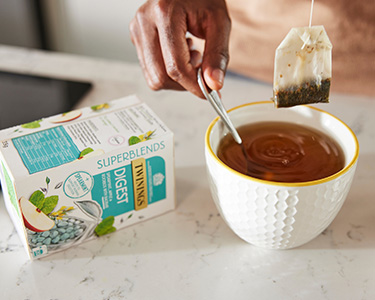
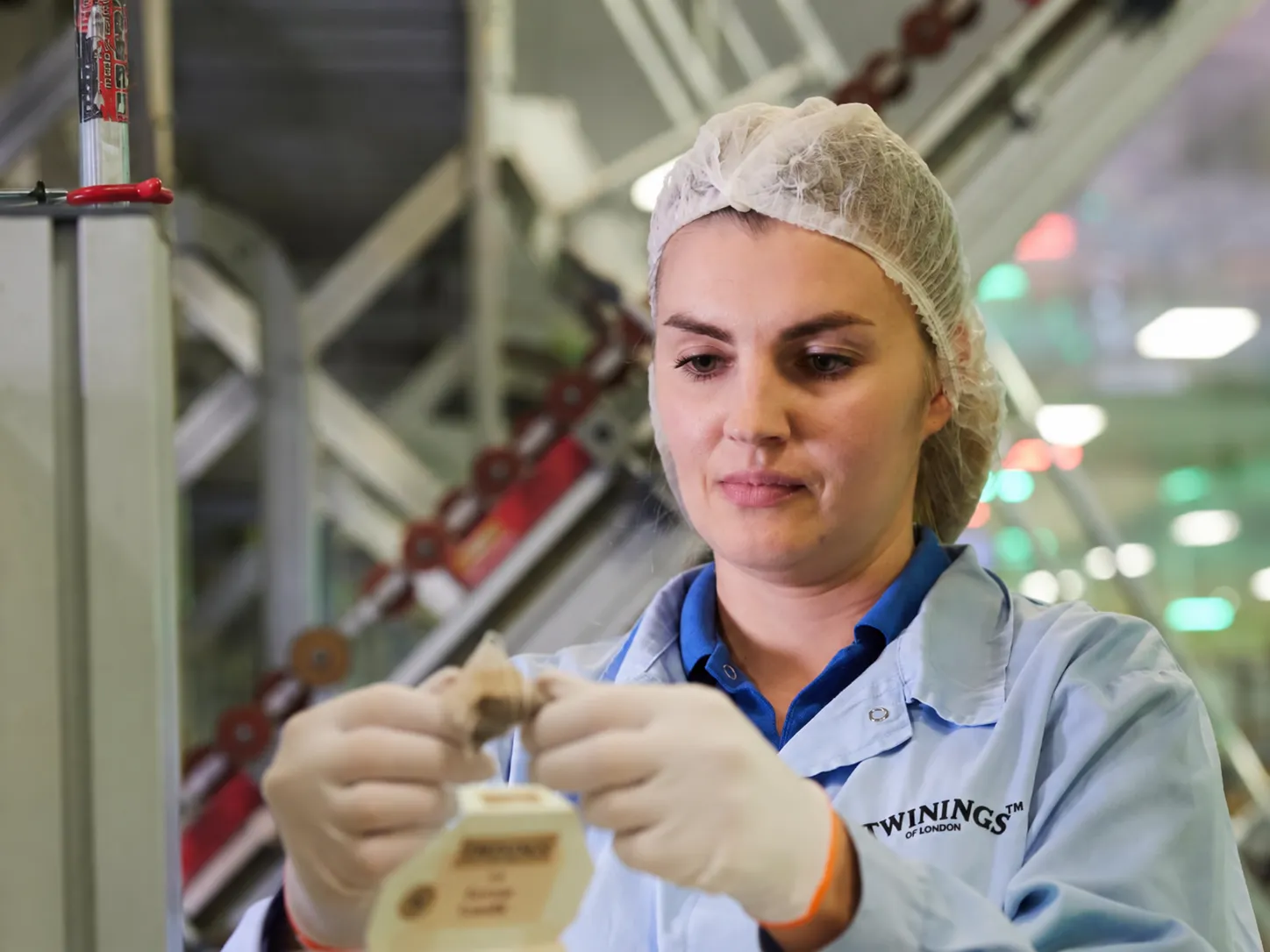
Twinings was affected by unusually hot weather, which reduced demand over the summer, but the business remains strong. It delivered good volume-led growth, supported by product innovation, growing demand for wellness products and success in its e-commerce channel.
Jordans Cereals showed good growth and continued to innovate in response to consumers’ growing focus on nutrition. Smaller brands in niche categories also performed well, such as our Sports Nutrition business, which showed impressive double digit growth.
AB World Foods and Westmill both achieved record profits, responding to growing demand for Asian food.
Grocery profit was reduced primarily due to higher IT investments, higher cocoa costs and lower sales in US cooking oil. We will not allow short-term pressures in US oil to lead to long-term damage in this important business.
Turning to Ingredients, our division which brings together two international B2B platforms with distinct opportunities for growth.
AB Mauri, our global yeast and bakery ingredients business, combines large-scale yeast production with a portfolio of specialised bakery ingredients. Its scale and established routes to market provide opportunities to broaden its offering and build specialist categories within large markets.
The business grew well in most of its markets this year, though profit was hit by US consumer weakness. Good progress was made on multi-year capital projects.
ABFI brings together specialist ingredients businesses across food and beverage, health and nutrition and pharmaceuticals. We see significant potential for growth by taking proven science and technology into new applications, customers and geographies. ABFI sales grew this year and we increased both our geographic reach and commercial capability.
The acquisition of Elementis strengthens our position in the growing digestive health market, while the expansion of Ohly’s Hamburg plant provides additional capacity and capability.
Results in Sugar were again disappointing. Higher gas prices, surplus supply and low prices in Europe, together with operational and regulatory difficulties in Africa, contributed to a loss this year and a negative outlook for next year.
We are addressing factors within our control. Our Sugar businesses are becoming fitter and more efficient. The factories in Malawi and Zambia achieved record production and in the UK and Spain we continue to improve efficiency.
The longer-term fundamentals of our Sugar businesses remain attractive. In Europe, there is strong cash generation potential, despite gentle long-term industry volume decline, and in Africa our businesses benefit from growing populations, high market shares and well-branded businesses with good routes to market.
We are well positioned, therefore, to take advantage of a market that is turning. Lower European sugar production and higher global prices should benefit us after 2027.
Like Sugar, AB Agri gives us direct exposure to primary food production. Our Agribusiness actually has its roots in finding markets for British Sugar’s beet pulp as animal feed and today uses its expertise in animal nutrition to help make the most of co-products from food production. Agri performed in line with our expectations. We see growth potential in the business continuing to develop higher-value animal nutrition and integrated services for farmers and we are adjusting the operating footprint accordingly.
In 2026, gross investment was £1.4bn, 15% more than last year. Capital expenditure was £1.2bn and we invested £167m in acquisitions. We have passed the peak of the current investment programme in Food and many of the projects completed in the year should from now on contribute meaningfully over many years.
The Twazabuka packing facility in Zambia and the new factory in Tanzania will help our Sugar businesses serve growing demand in both markets. Ovaltine’s new manufacturing facility in Lagos, its first in Africa, gives the business a stronger base from which to supply Nigeria and the wider West African market.
AB Mauri’s new sourdough facility in Northampton will help meet growing demand for specialist bakery products and the recently-completed fresh yeast plant in India will help capture growth in a large market. George Weston Foods’ new bakery in Western Australia and the completed Ballarat flour mill will strengthen capacity and support growth. I'm pleased to see the business continuing to invest in modern, efficient milling capacity.
We have invested extensively in technology and operating efficiency, including enterprise resource planning systems at AB World Foods, ACH, Stratas and Twinings. Although at times expensive and painful to implement, these systems are a prerequisite for our businesses if they are to be efficient. They also allow us to more easily adopt AI tools.
Primark continued to expand and improve its estate while modernising its supply chain. It opened 37 stores and completed refits in 33. The new distribution centre in Newbridge, Republic of Ireland represents an investment of €75m to strengthen Penneys’ supply chain. Primark also acquired a highly automated fulfilment centre to support the expansion of Click & Collect and the future introduction of home delivery in Great Britain, so a very significant investment indeed.
Our commitment to responsible business is an integral part of our approach to building sustainable, long-term value. At a time of geopolitical uncertainty, investment in resilient operations, safer workplaces, secure supply chains and the responsible use of resources is increasingly important.
During the year, we strengthened our governance of material ESG matters, made progress in reducing our Group Scope 1 and 2 market-based greenhouse gas emissions and ABF Sugar rebuilt or upgraded a significant number of homes in our African businesses.
Severe weather affected several of our businesses and supply chains during the year, reinforcing the importance of our work to strengthen resilience across our operations. We are reviewing our material climate risks and the actions being taken to manage them.
Primark has been reviewing its Sustainability Strategy, working closely with the central ABF ESG team.
Looking ahead, the demerger will not change our businesses’ commitment to operating responsibly, but it may alter the relative materiality of some issues in Primark and AB Foods as standalone businesses. We are reviewing this and will have more to say on this next year
In March, Joana Edwards was appointed as Group Chief Financial Officer and a full-time member of the ABF Board. As interim CFO, Joana demonstrated a clear understanding of ABF’s business and operating model, rigour in the execution of her role as custodian of the Group’s finances and a passion for building great teams. Her experience is invaluable.
The immediate operating environment remains challenging, but we have good reasons to be confident. Across the Group, the investments and decisions made this year are strengthening our competitive positions and preparing the businesses for the future. We remain committed to the approach which has served ABF well: taking a long-term view, investing patiently with discipline and devolving responsibility to capable management teams. Notwithstanding the financial challenges of the year, both Primark and AB Foods are well positioned for the future.
George Weston
Chief Executive
.jpg/_jcr_content/renditions/05_British Sugar Wissington - 25.09 (178).webp)